At MeeThought E-Commerce Private Limited, transparency is our priority. International trade uses many acronyms and legal terms. Below is a detailed guide to help you understand the responsibilities, costs and logistics involved in our partnership.
These terms define who pays for shipping, who carries the risk, and where the handover happens.
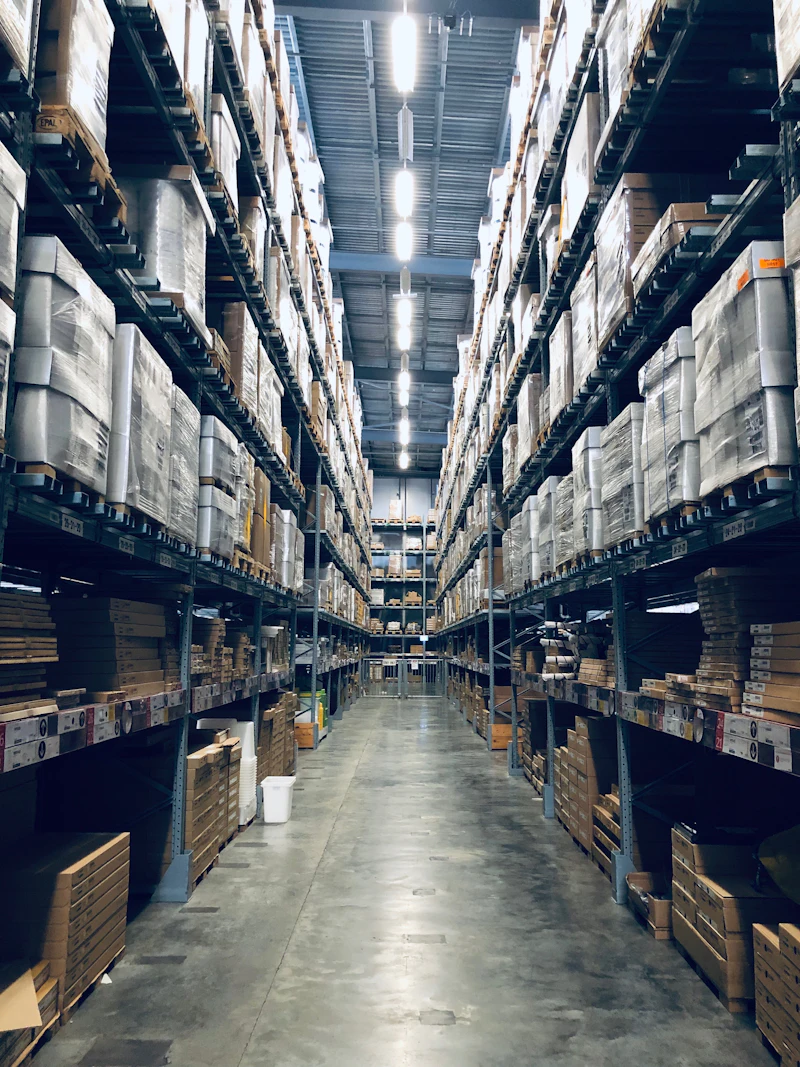
Definition: the buyer arranges everything from our warehouse door.
Exporter, MeeThought: we pack the goods and keep them ready at our Hyderabad warehouse.
Importer, you: you arrange the truck, Indian customs clearance, insurance and ocean freight.

Definition: we handle everything until the goods are loaded onto the ship.
Exporter, MeeThought: we pay for transport to the port, custom clearance in India, and port handling charges.
Importer, you: you pay for the ocean freight and insurance. You take ownership the moment goods cross the ship's rail.

Definition: we pay to get the goods to your country's port.
Exporter, MeeThought: we pay for ocean freight plus marine insurance to your port, for example New York, Dubai or London.
Importer, you: you are responsible for unloading costs at your port, import duties, and custom clearance in your country.
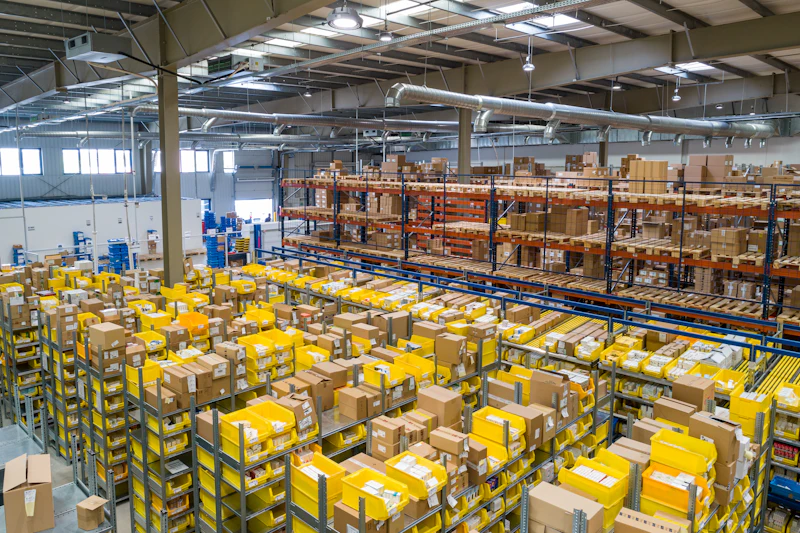
Definition: we deliver to your warehouse, but you pay the taxes.
Exporter, MeeThought: we handle shipping plus the local delivery truck in your country.
Importer, you: you must pay the import duty and VAT or GST to your government before the truck can deliver.

Definition: we handle everything, including paying your country's taxes.
Exporter, MeeThought: we pay freight plus insurance plus your import duties.
Importer, you: you just receive the package.
| Acronym | Full form | Explanation |
|---|---|---|
| ETD | Estimated Time of Departure | The date the ship leaves the Indian port |
| ETA | Estimated Time of Arrival | The date the ship arrives at your country's port |
| POL | Port of Loading | Where we load the goods, for example Nhava Sheva, Chennai, Vizag |
| POD | Port of Discharge | Where you receive the goods, for example Jebel Ali, Felixstowe |
| BL or BoL | Bill of Lading | The most important document. It is the receipt from the shipping line. You need the original BL to claim goods from the port |
| LCL | Less than Container Load | Sharing a container with other exporters. Good for small orders, one to five tonnes |
| FCL | Full Container Load | You book the whole container. Faster and safer than LCL |
Trade is done in metric tons, but some countries use different scales. These are the conversions we quote against.
The container logic that saves the most money: dense goods such as herbal or jaggery powder ship best in a 20ft, where 18 to 20 tonnes stuff easily. Light and bulky goods such as whole chilli belong in a 40ft high cube, where 14 to 15 tonnes fit against only 7 to 8 in a 20ft. Choosing the right box is usually the single largest saving on freight per kilogram.
Logistics Desk, MeeThoughtAlso known as a wire transfer. This is a direct bank to bank transfer. It is the fastest and cheapest method.
A guarantee from the buyer's bank that they will pay the exporter's bank once documents, the BL, are presented.
Irrevocable L/C: means the buyer cannot cancel the order once verified. Safest for large deals above 50,000 USD.
FIRC: Foreign Inward Remittance Certificate, proof that foreign money entered India.
e-BRC: Electronic Bank Realization Certificate, required by the Indian government to prove exports were genuine.
Who sends it: the importer, buyer.
Definition: a formal document issued by you, the buyer, to us, stating the types, quantities and agreed prices of products.
Legal status: it is an offer to buy. It is not a contract until we accept it.
Who sends it: the exporter, MeeThought.
Definition: a preliminary bill of sale sent to the buyer in advance of the shipment or delivery of goods. It describes the items, price, shipping weight and transport charges.
Purpose: you need this document to apply for an import licence in your country, and to arrange the advance payment, wire transfer, from your bank.
Action: once you sign this and pay the advance, the contract is active.
Who sends it: the exporter, MeeThought.
Definition: a written acknowledgment that we have received your PO or payment and have scheduled your production.
Key detail: this document locks in the price. Even if market prices rise next week, we honour the price in the OC.
Definition: the smallest amount of product we are willing to sell.
Why: exporting involves fixed costs in customs, documentation and port handling. Selling 10kg is often more expensive than selling 1000kg.
Our standard: usually 1 ton, LCL, or 1 full container, FCL.
Confusion here causes the most arguments, so we define each leg separately on every proforma invoice.
Definition: the time between order confirmation and goods leaving our warehouse.
Includes: sourcing from farmers, processing, lab testing, packing and pre-shipment inspection.
Example: lead time 10 days means we need 10 days to make the goods ready.
Definition: the time the goods spend travelling, on the ship or plane.
Control: we do not control this. The shipping line, for example Maersk or MSC, controls this.
Example: transit time 22 days means the ship takes 22 days from Chennai to Felixstowe.
Formula: order date plus lead time plus transit time plus customs clearance time.
Warning: this is an estimate, not a guarantee. Storms, port strikes or customs inspections can change this date.
You must file a claim with the insurance company immediately. Delay in filing is the most common reason a valid claim is rejected.
A signed clean receipt is treated as confirmation that the cargo arrived intact, which makes an insurance claim extremely difficult to pursue afterwards.
Neither party is responsible for delays caused by events beyond control, for example war, earthquake, pandemic, or a government ban on exports.
If the Indian government suddenly bans wheat exports, we cannot ship, and the contract is voided without penalty to either side.
Definition: a penalty fee charged by the shipping line if you do not pick up your container from the port within the free days, usually 7 to 14 days.
Who pays: the importer.
Tip: ensure your customs broker clears the goods immediately upon arrival.
Definition: a penalty fee charged if you pick up the container, take it to your warehouse, but take too long to return the empty container back to the shipping line.
Who pays: the importer.
Standard free time at destination is seven days. When we book freight we ask the forwarder for fourteen days free detention and demurrage at destination, which gives your broker double the room to clear customs without paying fines.
Freight Booking Policy, MeeThoughtOur export desk will walk through the Incoterm, payment structure and full timeline for your specific order.